Rubbish removal near Battersea Power Station SW11
Posted on 04/07/2026
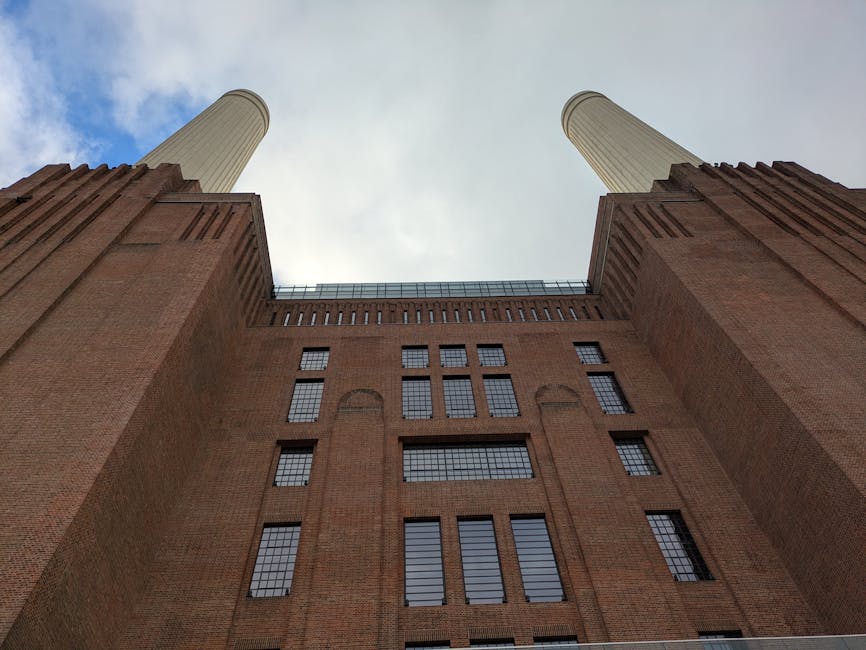
Rubbish removal near Battersea Power Station SW11: a practical local guide
If you are looking for Rubbish removal near Battersea Power Station SW11, chances are you want something simple: the waste gone, the space cleared, and no messy surprises on the day. Fair enough. In a busy part of London like this, rubbish builds up fast - after a flat move, a refurb, a clear-out before guests arrive, or just one of those weeks when everything seems to pile into the hallway.
This guide walks you through how rubbish removal works in the Battersea Power Station area, what to expect from a good provider, how to avoid common headaches, and when a different service makes more sense. You will also find a checklist, a comparison table, and a few practical tips that can save time, money, and a bit of stress. Let's face it: nobody wants a van turning up unprepared, blocking the road, and asking awkward questions about the sofa in the lift lobby.
Why Rubbish removal near Battersea Power Station SW11 Matters
Battersea Power Station and the wider SW11 riverside area are not typical low-pressure suburbs with endless driveway space and easy skip access. You have apartments, concierge desks, controlled entry points, loading bays, narrow roads at certain times, and a lot of foot traffic. That changes how waste needs to be handled.
Good rubbish removal here is not just about convenience. It helps prevent clutter in communal areas, reduces fire and trip hazards, and keeps you on good terms with neighbours, managing agents, and building staff. In a building where deliveries, removals, and residents all move through the same access points, a tidy, well-timed collection matters more than people sometimes realise.
There is also a practical side. If you are clearing out a flat before a sale, preparing an apartment for letting, or disposing of builders waste after works, a badly planned pickup can cause delays. A missed lift booking or an oversized load can easily turn a quick job into a longer day than it needed to be.
Key takeaway: In SW11, rubbish removal works best when the provider understands local access, building rules, time windows, and how to remove waste without disrupting the block.
If you are comparing broader services, it can help to look at the company's services overview so you know whether you need a simple collection, a full clearance, or something more specialised.
How Rubbish removal near Battersea Power Station SW11 Works
Most collections follow a straightforward process, though the details matter. In a modern riverside development, the best results usually come from a service that plans ahead rather than one that simply arrives and hopes for the best.
Typical process
- Initial description of the waste - You explain what needs removing. Photos help a lot, especially for bulky or mixed items.
- Assessment and estimate - A provider may give a price based on volume, item type, access, and labour needs. If you are unsure, use pricing and quotes to understand how estimates are usually handled.
- Access planning - This is where Battersea-specific knowledge matters. The team may need to factor in loading zones, lift restrictions, parking availability, or concierge instructions.
- Collection day - The team removes the rubbish, loads it safely, and clears the area. Simple jobs can be very quick; larger clearances may take longer than you expect.
- Sorting and disposal - Waste should be separated where possible for recycling, reuse, or responsible disposal. If sustainability is important to you, have a look at recycling and sustainability.
For many local customers, the difference between a smooth job and a frustrating one is communication. A decent provider will ask the right questions up front: is there lift access, are there any hazardous items, do you need a weekend slot, can the vehicle wait outside, and is the waste already bagged or still mixed together?
That may sound fussy. It is not. It is what keeps the day moving.
What usually counts as rubbish?
- General household clutter
- Broken furniture
- Bagged mixed waste
- Packaging and cardboard
- Small appliance waste
- Garden waste
- Office furniture and old equipment
- Builders waste from light to medium projects
Some items need special handling. Fridges, paints, certain electrical items, or sharp materials may not be treated like ordinary junk. If in doubt, ask before the collection is booked. Better a slightly longer conversation than a nasty surprise on the curbside.
Key Benefits and Practical Advantages
People usually think about waste removal as a chore to get through. Fair enough. But done properly, it has a few real advantages beyond just making the place look tidier.
- Less stress on the day - You do not need to hire a van, recruit a friend, or make multiple trips to dispose of everything yourself.
- Better use of time - A collection can often be done far faster than a DIY run, especially if you live in a managed building.
- Cleaner shared spaces - In apartment blocks, leaving items in corridors or communal areas is rarely a good idea.
- More suitable for bulky items - Sofas, wardrobes, mattresses, and office desks are awkward enough without stairs and parking hassle.
- Safer handling - Heavy lifting goes wrong in all sorts of silly ways. Back injuries are not worth it for a battered chest of drawers.
- Better disposal outcomes - When waste is sorted well, more of it can be diverted from landfill or handled correctly.
There is also a calmer emotional benefit. Clearing clutter often feels like getting your head back in order. One client-like scenario we see often: someone has spent six months living around boxes after a move, and the flat suddenly feels smaller and more chaotic every week. Once the rubbish is removed, the room feels different. Lighter. Even the echo changes a bit.
That sounds dramatic, maybe. But if you have lived through a proper clear-out, you know what I mean.
Who This Is For and When It Makes Sense
Rubbish removal near Battersea Power Station SW11 is useful for a wide mix of people. It is not only for huge clearances or renovation work. In fact, many jobs are smaller than you might expect.
It makes sense if you are:
- Moving in or moving out of a flat
- Preparing a property for sale or letting
- Clearing storage cupboards, balconies, or utility areas
- Managing end-of-tenancy waste
- Upgrading furniture and need the old pieces removed
- Clearing office space or a home office setup
- Dealing with post-build clutter or packaging
- Reclaiming space after a long period of accumulation
For property owners and landlords, rubbish removal is often part of keeping a place presentable. If you are working through a sale or investment decision in the local area, you may also find these related guides useful: how to invest wisely in Battersea property and the Battersea property sales guide.
For residents, the need is often more immediate. The sofa is too big for the lift. The broken chest of drawers has been sitting there for weeks. The flat is fine, but the clutter is doing its best to make it feel like a storage room. We have all been there, to be fair.
When a collection is better than DIY
DIY disposal can work for a few bags of rubbish. Once you get into bulky items, mixed materials, or awkward access, it starts to lose its appeal. If you need a truck, multiple journeys, parking payment, and help lifting, the maths changes quickly.
Step-by-Step Guidance
If you want the process to run smoothly, a little preparation goes a long way. Nothing fancy. Just a few sensible steps before the team arrives.
- Sort the waste into broad categories
Separate general rubbish, reusable items, recyclables, and anything that may need special treatment. You do not have to overdo it, but a bit of organisation helps. - Take clear photos
Photos help with quoting and avoid awkward misunderstandings. A pile of "just a few things" can turn out to be quite a lot. - Measure bulky items if needed
Doors, lifts, and stairwells all matter. If you have a big item, check that it can actually get out without damage. - Check building rules
Some developments have collection windows, loading restrictions, or notice requirements. Battersea Power Station properties in particular may have managed access arrangements. - Confirm what is included
Ask whether labour, disposal, and any waiting time are part of the price. - Remove personal items
Drawers, cupboards, and boxes often contain more than you think. Bit awkward if the team finds passports or old bank paperwork mixed into the pile. - Prepare access in advance
Keep entrances clear and tell the provider about any lift booking, concierge contact, or parking instructions. - Ask about recycling or reuse
Some items may be suitable for reuse or material recovery. It is worth asking, especially for furniture in decent condition.
If the job is a larger one, such as a property clearance or office strip-out, it can help to review the relevant service pages beforehand. For example, a fuller residential clearance may fit better under house clearance in Battersea, while a workspace job may be better matched to office clearance.
Expert Tips for Better Results
Here is where a bit of experience saves money and hassle. These are the things that tend to make a local rubbish removal booking go well.
- Book earlier than you think - Especially around moving periods, weekends, or after building work.
- Be honest about volume - Understating the amount of rubbish usually causes delays and a revised quote.
- Tell the provider about difficult access - Narrow entrances, stairs, lift limits, and parking quirks should be mentioned up front.
- Keep fragile items separate - Avoid having valuables mixed into general waste. It happens more often than you would think.
- Use photos rather than long descriptions - "A few old bits" and "two sofas, a mattress, four bags, and a desk" are not the same thing.
- Ask how disposal is handled - A trustworthy provider should be comfortable explaining their process in plain English.
- Choose the right service level - A simple collection is not the same as a full waste removal or site clearance.
One small, practical tip: if you are clearing a flat with a concierge desk, let the building know the timing first. It sounds obvious, but people forget. Then the team arrives, the lift booking is missing, and everybody is standing around being polite in that very British way while the clock ticks.
If you care about responsible handling, it is worth choosing a provider that is clear about its environmental approach. You can also look at the company's recycling and sustainability information to understand how it approaches sorting and recovery.

Common Mistakes to Avoid
Most waste removal problems are avoidable. Not all, of course. London likes to throw in the occasional curveball. But a lot of issues come from the same handful of mistakes.
- Leaving access planning too late - Parking and loading in SW11 can be more awkward than people expect.
- Mixing restricted items with normal rubbish - This can slow the job down or create extra handling requirements.
- Forgetting to ask about lifting and labour - A quote that looks good on paper may not cover the full effort needed.
- Assuming every item is accepted - Some waste types need special treatment.
- Not checking if the provider is insured - Damage during removal is rare, but you want the reassurance.
- Booking a service that is too small for the job - If you need more than a quick collection, say so.
- Leaving it until the last minute before a move or sale - That is when everything gets stressful. Very stressful.
A lot of readers also make the mistake of choosing purely on price. Cheap can be fine, but only if it is clear. The real danger is vague pricing: hidden extras, rushed work, or a team that does not understand the building layout. No one wants a bargain that becomes a headache.
Tools, Resources and Recommendations
You do not need specialised equipment for most household rubbish removal jobs, but a few practical tools make the process easier.
Helpful items to have ready
- Strong bin bags or rubble sacks
- Marker labels for separating items
- Basic tape for securing loose drawers or cabinet doors
- A measuring tape for large furniture
- Photo evidence of the waste pile for quoting
- A simple inventory if the job is a larger clearance
For related local needs, it may help to know which service matches your situation best. For example:
- rubbish collection in Battersea is often a good fit for smaller, straightforward loads
- waste removal usually suits broader mixed-waste jobs
- builders waste disposal is better for renovation debris
- garden waste removal suits outdoor cuttings and green waste
For local background on the area itself, these articles can also be useful if you are planning around a move, sale, event, or longer stay: getting to know Battersea London and the pros and cons of living in Battersea.
Law, Compliance, Standards, or Best Practice
Waste disposal in the UK is not something to be casual about. You do not need to memorise legislation, but you should expect any reputable service to follow sound legal and environmental practice.
In plain terms, that means waste should be handled by responsible operators, transported appropriately, and taken to legitimate facilities. A trustworthy provider should be able to explain how waste is sorted and what happens to reusable or recyclable material. If they seem vague on that point, be cautious.
For customers, the main best-practice points are simple:
- Do not leave waste in communal areas longer than necessary
- Keep hazardous or special items separate and disclosed
- Use a provider that is transparent about disposal and recycling
- Make sure access and safety requirements are discussed in advance
- Keep invoices or booking records for your own reference
If a service involves contractors entering a managed building or handling heavy items, you should also expect sensible insurance and safety practices. That includes careful lifting, protecting floors where practical, and respecting building rules. You can read more on this topic in the company's insurance and safety information.
For other business or service standards, the site also provides pages such as terms and conditions, privacy policy, payment and security, accessibility statement, modern slavery statement, and cookie policy. Those are not part of the rubbish removal job itself, but they do help show the wider professionalism of the business.
Options, Methods, or Comparison Table
Different jobs call for different approaches. If you choose the wrong one, you can end up paying for more than you need, or worse, not enough for the scope of work. Here is a simple comparison.
| Option | Best for | Strengths | Possible drawbacks |
|---|---|---|---|
| Small rubbish collection | A few bags, light clutter, one or two bulky items | Quick, simple, usually cost-effective | Not ideal for large mixed loads |
| General waste removal | Mixed household or office waste | Flexible and practical for varied items | Needs clear item descriptions |
| House clearance | Whole rooms, flats, or full property clear-outs | More comprehensive and organised | Usually more involved than simple collection |
| Builders waste disposal | Renovation debris, packaging, light construction waste | Suited to refurb projects and post-build clean-up | Some materials may require special handling |
| Garden waste removal | Cuttings, soil-filled bags, branches, outdoor debris | Good for external spaces and landscaping jobs | Mixed waste should be separated where possible |
If you are not sure which route to take, ask yourself a simple question: is this a few items, a mixed pile, or a true clearance? That one question usually narrows it down very quickly.
Case Study or Real-World Example
Here is a realistic example from the kind of work often seen in SW11. A resident in a modern riverside apartment had recently finished furnishing a new flat. The space looked great, but the aftermath was less glamorous: cardboard, packaging, a broken bedside table, a worn dining chair, and an old mattress leaning awkwardly by the door.
At first glance it seemed like a small job. But access mattered. The building had lift booking rules, limited loading time, and a concierge handover procedure. The resident was also worried about upsetting neighbours with items left in the hallway.
The solution was simple, but only because the details were handled properly:
- Photos were shared in advance
- The waste was grouped by type
- Lift access was arranged beforehand
- The collection time was chosen to avoid busy periods
- Items were removed in one visit rather than in several trips
The result? The flat was cleared in a way that felt calm rather than chaotic. No pile of boxes blocking the entrance. No frantic back-and-forth. Just a clean space and one less thing to think about. Sometimes that is the whole win.
If the same resident had needed to clear a work-from-home setup at the same time, an office clearance approach might have made more sense. Context matters more than people expect.
Practical Checklist
Use this checklist before your collection. It is basic, but basic is what stops things going sideways.
- Have I identified exactly what needs removing?
- Are any items fragile, valuable, or personal and should be removed first?
- Have I taken clear photos for reference?
- Do I know whether access is via lift, stairs, or both?
- Have I checked building rules or concierge procedures?
- Is there a suitable parking or loading arrangement?
- Have I mentioned any bulky, heavy, or awkward items?
- Do I know whether anything needs special handling?
- Have I asked what is included in the price?
- Have I matched the job to the right service type?
Quick sanity check: if you are still describing the waste as "a few bits," take another look. That phrase has caused more underestimates than people like to admit.
Conclusion
Rubbish removal near Battersea Power Station SW11 works best when it is treated as a planned service, not a last-minute scramble. In a local area with managed buildings, loading restrictions, and mixed residential and commercial spaces, the difference between a smooth collection and a frustrating one is usually preparation. Good photos, clear access details, the right service type, and a provider that understands the area all help.
If you are clearing a flat, dealing with renovation waste, or simply reclaiming space from clutter, the smartest approach is usually the simplest one: sort what you can, explain the job clearly, and choose a service that fits the scale of the waste. That way, you get the room back without unnecessary drama. And honestly, that feels pretty good.
Get a free quote today and see how much you can save.
For more background on the business and how it approaches local work, you can also visit the about us page.

Copyright © . House Clearance Battersea. All Rights Reserved.