Queenstown Road rubbish clearance tips for flats
Posted on 10/08/2026
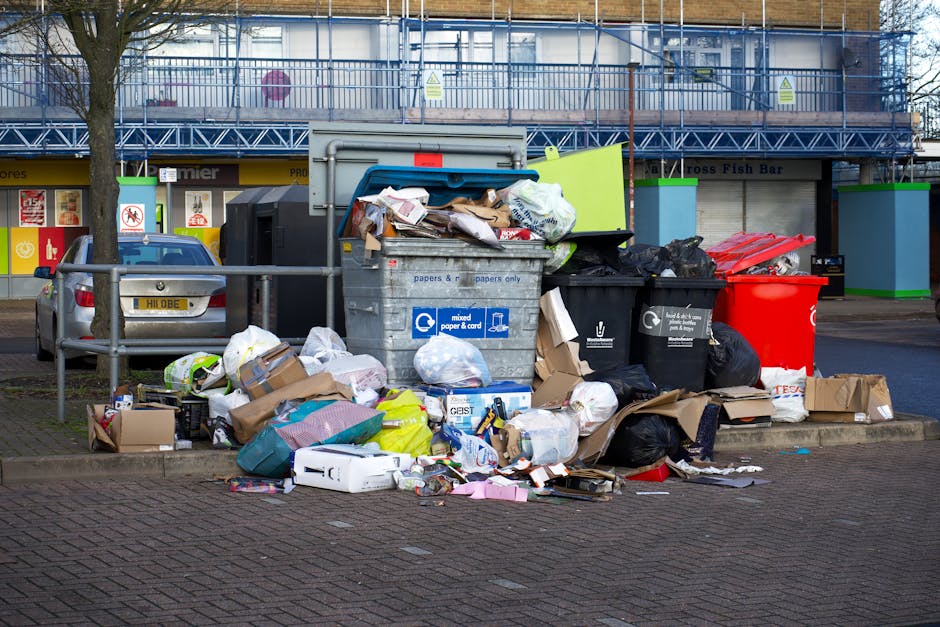
If you live in a flat near Queenstown Road, rubbish clearance can feel oddly complicated for something that sounds simple. Narrow stairwells, lift restrictions, awkward parking, busy shared entrances, and the eternal question of where the old sofa is meant to go all add up. The good news? With the right plan, Queenstown Road rubbish clearance tips for flats are straightforward, tidy, and much less stressful than leaving bags in a hallway and hoping for the best.
This guide breaks down what actually works in real apartment buildings around Battersea and SW11. You will learn how flat clearance works, what to do before booking, how to avoid the common mistakes, and how to choose the smartest disposal route for bulky items, mixed junk, or a full flat clear-out. If you are in the middle of a move, dealing with a storage room overflow, or just trying to reclaim your spare room, this is for you.
Why Queenstown Road rubbish clearance tips for flats Matters
Flats are different from houses. That sounds obvious, but rubbish clearance in a flat block comes with a whole extra layer of logistics. You are not just removing unwanted items; you are working around neighbours, communal spaces, building rules, and often limited access. On Queenstown Road, where many homes sit in busy residential pockets with shared entrances and tight street conditions, a careless approach can quickly become messy.
In practice, poor planning can lead to blocked hallways, missed collection windows, complaints from neighbours, or even damage to walls and lift doors. And to be fair, nobody wants to drag a mattress through a polished communal corridor at 7:30 in the morning. A little preparation saves a lot of awkwardness.
Good rubbish clearance matters for another reason too: flat living tends to accumulate hidden clutter. Storage cupboards fill up. Old furniture gets pushed into corners. Boxes stay "for later" for months. Then one day you realise the spare room is basically a museum of things you do not use. That is usually the moment people start searching for practical rubbish clearance tips.
For residents interested in the wider Battersea area, it can also help to understand the local context and housing patterns. A few useful reads include living in Battersea and the everyday realities of the area and a broader look at charming Battersea beyond the city centre.
How Queenstown Road rubbish clearance tips for flats Works
Flat clearance usually falls into one of three patterns. First, there is the small-scale job: a few bin bags, a broken chair, or some old kitchen bits. Second, there is the bulky-item job: a sofa, wardrobe, bed frame, or white goods. Third, there is the larger flat clearance, often linked to moving out, renovating, end-of-tenancy clean-up, or clearing a property after a long period of storage.
The process itself is usually simple once you break it down. You identify what needs to go, decide what can be reused or recycled, check the building access, and then book a collection method that suits the load. In a flat, the real challenge is not the rubbish itself. It is everything around it: stairs, lifts, parking, noise, timing, and making sure communal areas stay clear.
Many residents also discover that the same household job can turn into a mini-project. A wardrobe comes apart and reveals old boxes. A cupboard clearance uncovers broken hangers, cables, and mystery duplicates of things you forgot you owned. That happens more than people admit. So a good flat clearance plan should allow for a bit of flexibility.
If your rubbish is part of a bigger move, sale, or refurbishment, it may help to read related local content such as the Battersea property sales guide or practical ideas for investing wisely in Battersea real estate. Those articles help frame the bigger picture around timing, presentation, and property value.
The most efficient flat clearances usually follow this order:
- Sort everything into keep, donate, recycle, and remove.
- Measure bulky items and note access restrictions.
- Check lift size, stair width, and any building rules.
- Choose the right disposal method for the volume and type of waste.
- Schedule the job for a time that limits disruption.
- Clear routes before the collection team arrives.
Key Benefits and Practical Advantages
A well-planned rubbish clearance does more than remove clutter. It reduces stress, protects shared spaces, and makes your flat feel more liveable almost immediately. You notice it the moment a hallway is no longer dotted with half-packed boxes. The place breathes again.
Here are the main advantages of doing it properly:
- Less disruption for neighbours: sensible timing and careful handling keep communal areas calm.
- Safer movement through the building: bulky items are less likely to bump walls, rails, or door frames.
- Better recycling outcomes: sorted items are easier to divert from general waste.
- Faster clearances: a pre-sorted flat is much quicker to work through.
- Lower chance of mistakes: when you know what is going, you are less likely to double-handle items.
- Cleaner end result: you are left with an actual clean-out, not just a pile moved from one corner to another.
There is also the mental side of it. Clutter in flats tends to build quietly. One bag becomes two, then a chair becomes a box, then a spare corner becomes storage by default. Getting on top of it can feel oddly energising. Not glamorous, granted, but genuinely satisfying.
For people looking at environmentally responsible disposal, it may also be worth reading about recycling and sustainability practices. It is a useful reminder that clearance does not have to mean wastefulness.
Who This Is For and When It Makes Sense
Queenstown Road rubbish clearance tips for flats are relevant to more people than you might think. The obvious cases are moving house and end-of-tenancy clear-outs, but plenty of everyday situations call for them too.
This guide is especially useful if you are:
- moving out of a rented flat and need a quick, tidy clear-up
- refreshing a room after buying new furniture
- dealing with bulky items that will not fit in normal bins
- clearing a cluttered storage cupboard, loft-style void, or utility space
- helping a relative downsize from a flat
- preparing a property for sale or letting
- managing waste after small renovation or decorating work
It also makes sense when time matters. If you are working around a lease end date, a handover inspection, or a short maintenance window, a structured clearance plan is much easier than trying to improvise with a few bin bags and good intentions. Truth be told, improvising usually means doing the job twice.
For readers who want a practical local angle, these articles may be useful background: rubbish removal near Battersea Power Station SW11 and the Battersea Park bulky rubbish collection guide. Different pockets of Battersea share similar access headaches, so the advice translates well.
Step-by-Step Guidance
If you want the smoothest possible flat clearance, follow a proper sequence. It keeps the job manageable and stops you from dragging heavy things around before you know where they are going.
1. Walk the flat and make an honest list
Start room by room. Be brutally honest. That broken bedside table you have been "meaning to fix" for three years? It counts. Make three notes beside each item: keep, donate, remove. If you are not sure, put it in a maybe pile and revisit it later. No need to make decisions in a hurry.
2. Separate bulky items from mixed waste
Bulky furniture, white goods, electronics, textiles, and general rubbish often need different handling. A sofa and a bag of mixed clutter are not the same job. Separating them early makes the collection simpler and helps avoid unnecessary handling.
3. Measure access points
This is the bit people skip and then regret. Measure doorways, lifts, stair widths, and any awkward turns in the hallway. If an item will not fit upright, it may need dismantling. If it is safer to remove in sections, do that before collection day, not during the rush.
4. Check building rules and timing
Some blocks have practical restrictions around loading, lift use, parking, or noise. Even when there is no formal written rule to hand, courtesy goes a long way. Early mornings can be tricky. Late evenings are usually worse. Mid-morning on a weekday is often the calmer choice, though every building has its own rhythm.
5. Create a clear route
Move smaller items out of the way before the team arrives. Keep corridors clear, unlock necessary doors, and protect surfaces if needed. A small strip of floor protection can prevent scuffs, especially in buildings where the hallway finish shows every mark. It sounds fussy. Then you bump a wall with a bed base and suddenly it does not sound fussy at all.
6. Decide what happens to reusable items
If something is still usable, do not send it straight to disposal by default. A sturdy chair, working lamp, or decent side table may be better suited for reuse or donation. It is one of the simplest ways to reduce waste and keep the clearance lean.
7. Confirm the load and the collection plan
Before the job begins, make sure the collection size matches what actually needs removing. If the flat has snowballed into a bigger clear-out, say so early. Underestimating usually causes delay. Overestimating is less of a drama, but clarity is always better.
8. Do a final sweep
Look behind doors, under beds, inside cupboards, and in the backs of wardrobes. You would be amazed how often a single item hides in plain sight. One final sweep can save a repeat trip later in the week.
Expert Tips for Better Results
A few small decisions can make a big difference to the outcome. In our experience, the best flat clearances are not the ones with the biggest equipment. They are the ones with the best preparation.
- Label rooms or item groups clearly. Even simple labels like "kitchen," "bedroom," or "recycle" help keep the job moving.
- Take photos before dismantling large items. If you need to prove condition for a landlord or manage a storage handover, photos help.
- Use sturdy bags, not overfilled ones. Overpacked bags tear at the worst moment. Usually on the stairs. Naturally.
- Keep screws and fittings together. A tiny zip bag taped to the furniture parts can save frustration later.
- Plan around peak building traffic. School-run hours, commuter rush, and delivery peaks make common areas more crowded.
- Handle awkward items first. Large mirrors, bed frames, and exercise equipment often cause the most delay, so tackle them early.
One useful trick is to create a staging area inside the flat, ideally near the exit but not in a hallway. That way, items are ready to move without turning the whole place into an obstacle course. A bit of order goes a long way.
If you are comparing service styles, the broader services overview can help you understand how different waste and clearance jobs are typically approached. It is a sensible place to start before deciding what level of help you actually need.
Common Mistakes to Avoid
Most clearance problems come from rushing. The task looks smaller than it is, and then the awkward part shows up halfway through. Classic.
- Leaving everything until the last day. Sorting and scheduling become much harder under pressure.
- Forgetting lift and stair dimensions. This can turn a simple pickup into an impromptu dismantling job.
- Mixing recyclables with general rubbish. That makes sorting harder and wastes a decent opportunity to reduce landfill.
- Blocking communal areas. Even for a short time, that creates friction with neighbours and building managers.
- Ignoring weight and handling limits. Heavy items should be lifted and moved carefully, not muscled through a tight space.
- Not checking what counts as waste. Some materials need special handling or separate consideration.
Another mistake is assuming every item can simply be stacked by the door the night before. In a flat, that can create fire-safety concerns, trip hazards, or complaints from residents. If you need a staging point, keep it controlled and short-lived.
And yes, this one matters: do not wait until the lift is out of service. It always seems to happen at the least convenient moment.
Tools, Resources and Recommendations
You do not need a van-load of equipment to organise a proper flat clearance. But a few basic tools and habits make things easier.
- Strong bags and boxes: for sorted clothing, mixed household items, and small loose waste.
- Markers or labels: ideal for tagging items to keep, recycle, or remove.
- Measuring tape: useful for furniture, lifts, door frames, and awkward stair turns.
- Protective gloves: especially when handling dust, old storage items, or broken bits.
- Screwdrivers or Allen keys: handy for dismantling beds, tables, or shelving.
- Phone camera: good for recording item condition, access points, or before-and-after progress.
For planning around cost and service expectations, it can help to review pricing and quotes information. That gives you a better sense of how quotes are usually structured and what details tend to matter.
If you are concerned about trust, handling, or site safety, insurance and safety guidance is another sensible reference point. It is one of those pages you may not think about until you need to. Then you really need to.
For households that care about how items are treated after collection, recycling and sustainability is worth a read. It keeps the conversation practical rather than vague.
Law, Compliance, Standards, or Best Practice
Flat rubbish clearance sits inside a wider framework of common-sense legal and building expectations. You do not need to memorise legislation to clear a flat properly, but you should understand the basics.
First, waste must be handled responsibly. In plain English, that means you should not dump items in communal areas, leave bags where they obstruct access, or hand rubbish to someone without confidence that it will be treated properly. Responsible disposal matters because once waste leaves your flat, it still needs to be managed correctly.
Second, building rules matter. Leasehold blocks, managed developments, and shared entrances often have their own practical procedures. Even where the rules are informal, there is usually an expectation that residents keep hallways, fire exits, and shared surfaces clear. That is best practice, and it is also good neighbour behaviour.
Third, safety should always come first. Heavy furniture, glass, broken fittings, and sharp edges are routine clearance hazards. If something feels awkward to move, it probably is awkward to move. Slow down, split it into parts if needed, and avoid force. A rushed lift is how small jobs turn into sore backs.
For people dealing with renovation debris rather than household clutter, the distinctions matter too. In those cases, builders waste disposal in Battersea may be more relevant than general household clearance. The same goes for garden waste or office items, which belong in different handling buckets. Matching the waste type to the right approach is simply better practice.
Finally, if your flat is being cleared as part of a sale or move, think about the wider property timeline. A clean, uncluttered space tends to show better, and that can make the whole process feel less frantic. About us and terms and conditions are also useful for understanding how a professional service frames responsibility and expectations.
Options, Methods, or Comparison Table
There is no single best method for every flat. The right option depends on what you are removing, how much there is, and how much help you need. Here is a simple comparison to make the decision easier.
| Method | Best for | Pros | Watch-outs |
|---|---|---|---|
| Self-clearance | Small volumes, a few bags, light items | Low cost, flexible timing | Time-consuming, harder with bulky items, more lifting |
| Mixed household clearance | Flats with furniture, clutter, and general rubbish | Good balance of convenience and efficiency | Needs decent sorting and access planning |
| Bulky-item removal | Sofas, wardrobes, beds, white goods | Targeted, practical, quicker for large objects | Access dimensions matter a lot |
| Full flat clearance | Moves, end of tenancy, major decluttering | Most comprehensive, least hassle once planned | Needs careful coordination and good communication |
If you are unsure which route fits your situation, start with the volume and the access. That usually tells you most of what you need to know. A one-bedroom flat with two bulky items is not the same as a three-room clear-out with mixed waste and storage leftovers. Obvious, yes. But easy to misjudge when you are standing in the middle of it.

Case Study or Real-World Example
Imagine a standard Queenstown Road flat: one bedroom, a compact living room, a narrow hallway, and a small storage cupboard that has quietly become a black hole for old belongings. The tenant is moving out in a week. There is a bed frame, an old desk, several bags of mixed clutter, and a few small items that could be donated if they are still in decent shape.
What usually works best in that situation?
First, the tenant sorts the flat into keep, donate, recycle, and remove. Second, the bed frame is dismantled in the bedroom rather than dragged down the hallway intact. Third, the bags are consolidated and checked so nothing sharp or fragile is left exposed. Fourth, the collection is timed for a mid-morning slot, when the building is quieter and the lift is less busy.
The result is simple: fewer delays, less stress, and no awkward pile of furniture sitting in the entrance while everyone pretends not to notice. That last part matters more than people think. A tidy process tends to feel less like a chore and more like progress.
In a similar real-world scenario, a landlord preparing a flat for new tenants may combine clearance with a refresh, using the opportunity to remove tired or damaged pieces, then present the space cleanly. If the property is in a neighbourhood where presentation matters to buyers or renters, that small improvement can make the flat feel more ready, less lived-in. It is a subtle thing, but you will notice it.
Practical Checklist
Use this before collection day. It keeps everything moving in the right order.
- Walk every room and identify items to keep, donate, recycle, or remove.
- Measure large items and check they can leave the flat safely.
- Confirm lift access, stairs, and any shared corridor restrictions.
- Remove small loose items from shelving, cupboards, and drawers.
- Separate bulky furniture from bagged rubbish.
- Keep pathways clear from the exit to the collection point.
- Protect floors or walls if items are likely to scrape.
- Set aside paperwork, valuables, and personal items well in advance.
- Decide what can be reused before anything goes into disposal piles.
- Do a final sweep of wardrobes, under beds, and storage spaces.
Expert summary: the best flat clearances are calm, sorted, and planned around the building rather than against it. If you prepare access, separate the waste properly, and keep communal areas clear, the whole process becomes much easier than most people expect. Really, that is the heart of it.
Get a free quote today and see how much you can save.
Conclusion
Queenstown Road rubbish clearance tips for flats come down to one simple idea: work with the building, not against it. Once you account for access, timing, sorting, and neighbour comfort, flat clearance becomes a lot less daunting. It is not glamorous, but it is very manageable.
Whether you are clearing one awkward corner or an entire flat, the same principles apply. Measure first, sort carefully, protect shared spaces, and choose the removal method that fits the job rather than forcing the job to fit your schedule. That approach saves time, reduces stress, and usually gives a cleaner result too.
And honestly, there is something satisfying about standing in a cleared room with the afternoon light coming through the window, hearing the place feel quiet again. Small win, maybe. But a real one.

Copyright © . House Clearance Battersea. All Rights Reserved.